Every devotee who has participated in a Vedic ritual knows the moment — the priest turns from the deity and offers a small portion of something sacred into your waiting palms. You bring it to your eyes, then to your lips. In that simple gesture, something shifts. You feel it, even if you cannot explain it. That is prasadam at work.
The word itself is from Sanskrit — pra (fully) + sad (to settle, to become clear, to become gracious). Prasadam is literally "that which makes grace fully settle." It is the portion of the ritual offering that has been received by the deity and returned to the devotee, now carrying the divine vibration absorbed during the ceremony.
What Makes Prasadam Different from Ordinary Food?
To understand prasadam, we need to understand the Vedic concept of bhava — the energetic quality that pervades all matter and is shaped by intention, sound, and consciousness. The same grain of rice has a different energetic quality depending on whether it was grown with care or neglect, cooked with love or resentment, offered to the divine with concentration or distraction.
During a pooja or homam, several forces converge to transform ordinary food and substances into prasadam:
- Mantra vibration — the Sanskrit syllables chanted over the offerings restructure their molecular and energetic composition (a principle explored in Dr. Masaru Emoto's water crystal research and other studies on sound and matter)
- Agni (fire) transmutation — substances offered into the sacred fire undergo what the Vedas call paaka — a cooking or ripening that elevates their vibrational quality
- Divine sankalpa — the Tantri's focused intention dedicates the offering to the specific deity, creating an energetic bridge through which the deity's blessings flow back into the offered substance
- Collective devotion — in group ceremonies, the combined bhava (devotional feeling) of all participants amplifies the consecration further
"Before the pooja, the flower is beautiful. After it has been offered to the deity and returned as prasadam, it is beautiful and consecrated — it carries the deity's darshan within it."
Types of Prasadam and What Each Carries
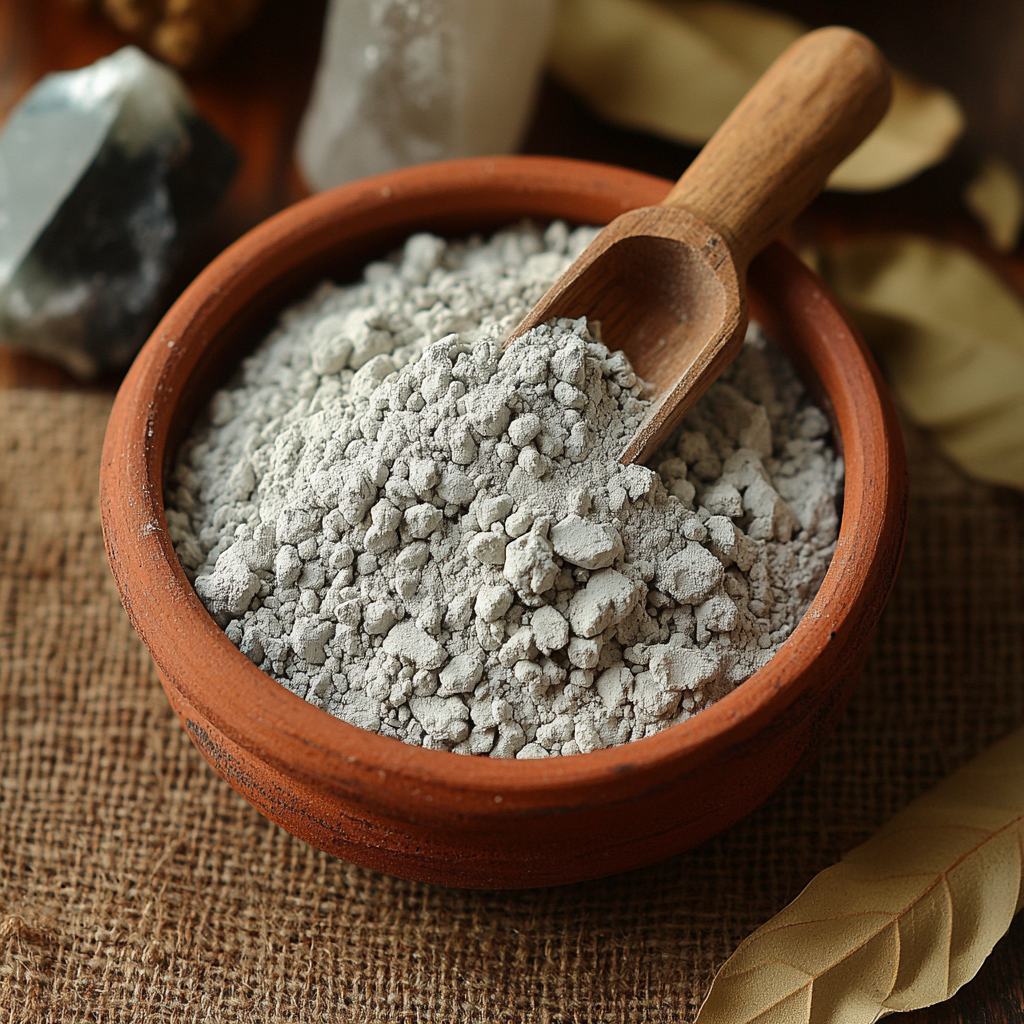
Vibhuti (Sacred Ash)
From Shiva-related rituals and homams. The ash of the sacred fire carries Agni's purifying energy. Applied to the forehead, it protects the Ajna chakra and draws awareness inward toward Shiva consciousness.
Kumkum (Vermillion)
From Devi poojas. Associated with Shakti, the divine feminine power. Applied to the centre of the forehead or offered to women, it activates the life force and bestows the protective grace of the goddess.
Tulasi Leaves
From Vishnu poojas. The Garuda Purana states that consuming even a single Tulasi leaf offered to Vishnu purifies the sins of many lifetimes. Tulasi is also a powerful antibiotic and adaptogen.
Panchamrita
The five-nectar mixture (milk, curd, ghee, honey, sugar) used in abhishekam. Consuming the panchamrita after it has bathed the deity is said to bestow all five boons simultaneously — health, prosperity, wisdom, love, and liberation.
Naivedyam (Cooked Food)
Food offered to the deity during naivedyam and returned as prasadam. Consuming this with full awareness transforms ordinary eating into a sacred act — a communion with the divine intelligence that pervades the food.
Flowers and Garlands
Flowers returned from a deity's feet carry the vibration of that deity's energy field. Placing them on the head, in the home altar, or near sleeping children creates a protective, benevolent atmosphere.
How to Receive Prasadam: The Protocol
The manner of receiving prasadam is not ceremonial formality — it is a practical protocol for maximising the energetic transfer:
- Receive with both hands, right palm over left, cupped together — this gesture of receptivity signals openness to the blessing being offered
- Bring it to your eyes first (touch to closed eyelids briefly) — the eyes are considered one of the most direct channels of energetic reception in the body
- Consume immediately when possible, rather than pocketing for later — the vibrational quality is highest at the moment of transfer
- Do not receive with a covered head (hat, cap) if avoidable — and women in some traditions receive with the end of their sari drawn over the head as a gesture of reverence
- Never refuse prasadam without genuine reason — to refuse is considered an act of turning away divine grace
Prasadam Dispatched to NRIs: A Living Connection
One of the most meaningful aspects of Tapovanam Poojas' service is that prasadam from every ritual performed on your behalf is carefully collected and dispatched to your address worldwide. This is not a symbolic gesture — it is a genuine physical connection to the consecrated energy of the ritual.
When your prasadam arrives:
- Place the package briefly on your home altar or before an image of the deity before opening it
- Open it with clean hands, in a clean space
- Consume edible prasadam (panchamrita, naivedyam, dry fruits) as soon as possible
- Vibhuti can be stored in a small silver or copper container and used regularly — applied to the forehead during morning prayers
- Flowers and leaves can be placed in the home altar or at the base of a Tulasi plant
"The distance between Kerala and London, New York, or Dubai is irrelevant to the prasadam. It carries the consecrated vibration of the ritual within it — sealed at the moment of the ceremony, preserved until it reaches you."
Prasadam and Healing
Across generations of devotees, consistent accounts describe physical and emotional healing following the sincere consumption of prasadam from specific rituals. Vibhuti from a Mrityunjaya Homam applied to sites of chronic pain. Panchamrita from a Dhanvantri Pooja given to the sick. Tulasi from a Vishnu puja consumed during illness.
From a Vedic standpoint, these outcomes are not miraculous — they are the expected result of matter that has been energetically elevated through ritual to carry the specific healing vibration of the invoked deity. The physiology of this healing is not reducible to chemistry alone; it operates through the subtle body channels (nadis) that the Vedic tradition has mapped with extraordinary precision over millennia.
Begin Your Connection Today
Every pooja booked through Tapovanam Poojas includes prasadam dispatch. Whether you are in the UK, USA, UAE, Australia, or Singapore — Dr. Aswanidev Tanthri's prasadam has reached devotees in all these countries and beyond. Book your first pooja and establish this living, tangible connection with the Vedic tradition.